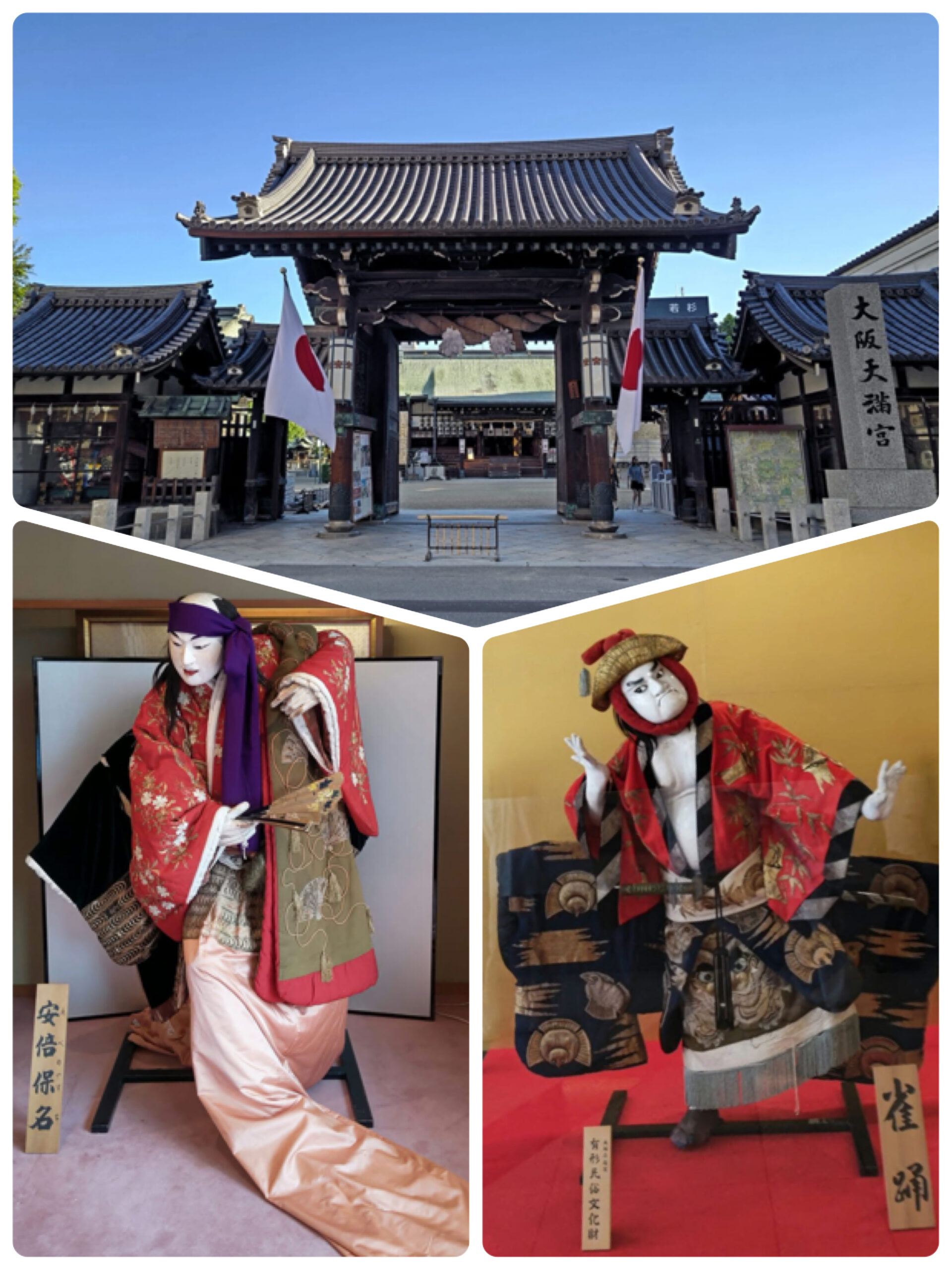
Osaka Tenmangu Shrine is a place where Osaka’s history and culture live on. It enshrines Sugawara no Michizane, known as the god of learning, and attracts many worshippers. In this article, we’ll introduce you to everything you need to know before visiting Osaka Tenmangu Shrine, including its history, highlights, annual events, and how to get there.
History and Origin of Osaka Tenmangu Shrine
Founding and Sugawara no Michizane
Osaka Tenmangu Shrine is said to have been founded in 949. It was built in honor of Sugawara no Michizane, who stopped in Osaka on his way to exile in Dazaifu. As the god of learning, it has long been worshipped by people. Many students and their families visit the shrine, especially during exam season, to pray for success. Michizane was both a scholar and a politician, and his talents were widely known. For this reason, Osaka Tenmangu Shrine is a special place for those praying for academic success. In addition to the main shrine dedicated to Michizane, the shrine grounds also include shrines dedicated to various gods, each said to have different blessings. Visiting these shrines will allow you to gain a deeper understanding of the history and culture of Osaka Tenmangu Shrine. Osaka Tenmangu Shrine also serves as a spiritual anchor for the local community. In their daily lives, people visit this place and offer prayers with their own wishes in mind. War and Reconstruction
Osaka Tenmangu Shrine has suffered several wars, but has been rebuilt each time. Many of the current shrine buildings were built during the Edo period, and their beautiful appearance captivates worshippers. In particular, the beautiful curves of the main hall’s roof and the detailed carvings demonstrate the high level of skill of the artisans of the time. The cooperation of local residents was also essential during the reconstruction. Thanks to their enthusiasm and efforts, Osaka Tenmangu Shrine has regained its former glory and remains as it is today. Its history of overcoming war symbolizes the strength of Osaka Tenmangu Shrine and the deep faith of its people. Within the shrine grounds, stone monuments bearing traces of past wars and monuments inscribed with the names of those who dedicated themselves to reconstruction serve to convey its history. By viewing these stone monuments and monuments, you can get a glimpse of the path Osaka Tenmangu Shrine has walked. And by learning its history, your attachment to Osaka Tenmangu Shrine will surely grow even stronger. Highlights of Osaka Tenmangu Shrine
Main Hall
The main hall, with its majestic atmosphere, is the central building of Osaka Tenmangu Shrine. Its beautiful decorations and carvings are awe-inspiring. Of particular note are the intricate carvings on the pillars and beams supporting the roof. These carvings were created over many years by the finest craftsmen of the time, and the level of their craftsmanship is truly remarkable. Inside the main hall, a statue of Sugawara no Michizane is enshrined, and many worshippers offer prayers before it. Surrounding the main hall are shrines dedicated to various gods, each said to bring different blessings. By touring these shrines, you will gain a deeper understanding of the divine world of Osaka Tenmangu Shrine. The main hall is a building that symbolizes the history and culture of Osaka Tenmangu Shrine, and a place that brings peace and healing to visitors. Experience its majestic atmosphere for yourself.
Baikaden (Plum Blossom Hall)
Osaka Tenmangu Shrine is also known as a famous spot for plum blossoms. During the plum blossom season, Baikaden is bustling with worshippers. Hundreds of plum trees, including red and white plums, are planted within the temple grounds. A plum festival is held during the peak blooming season, attracting many visitors to enjoy the beauty of the blossoms. Baikaden also serves as a rest area where visitors can enjoy tea and sweets while admiring the blossoms. It’s also popular as a space where visitors can relax and enjoy the scent of plum blossoms. Near Baikaden, you can also find souvenirs at shops selling various plum-related products. Plum blossoms are known as the beloved flower of Sugawara no Michizane, and they hold a special place in the hearts of Osaka Tenmangu Shrine. Gazing at the plum blossoms, you might even feel a connection to Michizane’s heart.
Taishogunsha Shrine
Taishogunsha Shrine is worshipped as the god of direction. Many people visit to pray for protection from misfortunes related to direction, such as when building a new home or moving. Daishogun Shrine enshrines a deity called Daishogun, who is said to govern the fortunes of directions. The direction of Daishogun changes each year, and it is said that performing actions toward that direction will bring misfortune. Therefore, prayers for protection from misfortune are held at the shrine, and talismans and amulets are given out to ward off misfortune. Daishogun Shrine is a deity that has been deeply involved in people’s lives since ancient times, and its worship continues to this day. For those concerned about directions, Daishogun Shrine is a place of spiritual support. Why not visit Daishogun Shrine to remove worries about directions and pray for peace of mind for daily life?
Osaka Tenmangu Shrine Annual Events
Tenman Festival
The Tenman Festival, one of Japan’s three major festivals, is the most important event at Osaka Tenmangu Shrine. Held annually on July 24th and 25th, it is crowded with many visitors. During the festival, various religious ceremonies and events are held, and the city of Osaka is filled with excitement. The most famous event is the boat procession held on the night of the 25th. Many boats sail back and forth on the Okawa River, creating a mystical sight. Tenmangu Festival is beloved by many as a symbol of Osaka’s summer. During the festival, many street stalls are set up, offering a wide variety of food and souvenirs. Traffic restrictions are in place during the festival, so we recommend using public transportation. Tenmangu Festival is a valuable opportunity to experience Osaka’s history and culture.
Hatsumode (First Shrine Visit of the Year)
Many visitors visit Osaka Tenmangu Shrine to welcome the New Year. Many people visit the shrine to pray for good health and safety for their families. During the first shrine visit, many stalls are set up, allowing you to enjoy the unique New Year atmosphere. New Year’s decorations and lucky charms are also available for sale, allowing you to prepare for the New Year. For the people of Osaka, the first shrine visit of the year is an important event marking the beginning of the new year. Pray with all your heart for a prosperous new year. Warm amazake (sweet rice drink) and other beverages are also available for purchase, helping to warm you up. To avoid crowds, we recommend visiting early in the morning.
Sangyo Festival
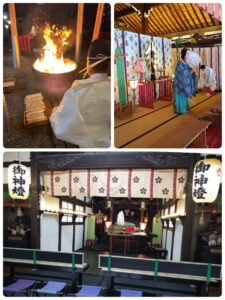
This traditional annual festival is held on January 14th, where old talismans and amulets are burned. Many people participate in this festival, which prays for good health and safety for the family. Bathing in the smoke from the burning talismans is said to bring good health and safety throughout the year. The Sangyo Festival is one of Osaka Tenmangu Shrine’s traditional events and holds great significance for local residents. During the festival, sweet sake and other drinks are served, welcoming the new year with warm feelings. Food stalls are also set up, adding to the festive atmosphere. Why not participate in this festival and start the year with a pure heart?
Access to Osaka Tenmangu Shrine
Access from the Nearest Station
Osaka Tenmangu Shrine is accessible on foot from JR Osaka Tenmangu Station or Minamimorimachi Subway Station. It’s about a five-minute walk from JR Osaka Tenmangu Station and about a three-minute walk from Minamimorimachi Station on the subway. Both stations are relatively close, making access very convenient. Directions from the station are easy to follow, making it easy to arrive without getting lost. There are a variety of restaurants and shops around Osaka Tenmangu, so you can enjoy a meal or some shopping before or after visiting the shrine. Osaka Tenmangu is also one of Osaka’s tourist attractions, and there are many other attractions nearby. If you’re visiting Osaka, be sure to visit Osaka Tenmangu.
Parking
Osaka Tenmangu has a parking lot for visitors. However, due to limited space, it may fill up during peak hours. The parking lot can get particularly crowded during festivals and events, so we recommend using public transportation. If you’re visiting by car, consider using a nearby coin parking lot. While Osaka Tenmangu’s parking lot is convenient for visitors, it can be inconvenient depending on usage. Be sure to check the information in advance and choose the best access method. It’s a good idea to check the location and fees of nearby coin parking lots.
Summary
Osaka Tenmangu Shrine is a representative shrine of Osaka, steeped in history and culture. Not only is it the shrine of the god of learning, but it also boasts many other attractions, including beautiful shrine buildings, gardens, and annual events. Be sure to visit Osaka Tenmangu Shrine and experience its charm for yourself. Osaka Tenmangu Shrine is a place that offers peace and healing to its visitors. Why not forget the hustle and bustle of everyday life and find peace in its quiet space? Osaka Tenmangu Shrine also serves as a spiritual anchor for the local community, serving as a place for deepening connections between local residents through festivals and events. Osaka Tenmangu Shrine is a valuable resource that conveys Osaka’s history and culture, and will continue to be beloved by many people. If you’re visiting Osaka, be sure to visit Osaka Tenmangu Shrine. You’re sure to have a wonderful experience.