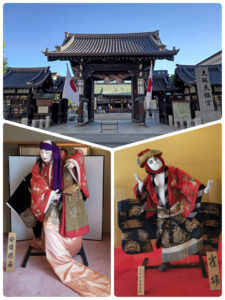
Osaka Tenmangu Shrine is dedicated to Sugawara no Michizane, the god of learning. In this article, we’ll introduce everything you need to know before you visit, including ticket information, history, highlights, and surrounding tourist spots. Use this as a complete guide to make the most of your visit to Osaka Tenmangu Shrine.
Osaka Tenmangu Shrine Basic Information and Tickets
Admission Fees and Ticket Types
Osaka Tenmangu Shrine, dedicated to Sugawara no Michizane, known as the god of learning, is a popular shrine. While admission is generally free, fees may apply during special exhibitions and events. Tickets are required for the Treasure Museum and certain festivals. We recommend checking the Osaka Tenmangu Shrine official website in advance to confirm admission fees and ticket types. Depending on the season, a fee may be charged for receiving special goshuin stamps. For more information, please visit the official website.
Admission to Osaka Tenmangu Shrine is generally free. However, tickets may be required for special facilities such as the main hall and treasure museum, or for participating in certain festivals. Ticket types vary depending on the event and season, so please check in advance. For example, during the Tenjin Festival, special viewing seats and boat tickets for the Funatogyo procession are sometimes sold. Please note that these tickets often sell out quickly. Additionally, the Treasure Museum displays valuable items related to Sugawara no Michizane, and admission requires a separate fee. Checking this information in advance will ensure a smooth and enjoyable visit.
How to Purchase Tickets
Tickets for Osaka Tenmangu Shrine are primarily available at the shrine office within the shrine grounds. However, for large-scale festivals and special events, you may need to purchase tickets online in advance. When purchasing online, you can complete the purchase process through the shrine’s official website or ticket sales site. While same-day tickets may be available, advance purchases are recommended for popular events, as tickets are likely to sell out.
Tickets purchased online can be redeemed at a designated location on the day of the event, or displayed on a smartphone or other device for entry. Follow the instructions sent to you at the time of purchase for purchase and redemption procedures. Cash and credit cards may be accepted when purchasing at the shrine office, but it’s a good idea to check in advance. Cash payments may be easier, especially during busy periods. The latest ticket information is updated regularly on Osaka Tenmangu Shrine’s official website and social media, so we recommend regularly checking. Access Information
Osaka Tenmangu Shrine is conveniently located within Osaka City. The nearest stations are Minamimorimachi Station on the Osaka Metro Tanimachi Line or Sakaisuji Line, or Osaka Tenmangu Station on the JR Tozai Line. It’s approximately a 5-minute walk from Minamimorimachi Station and a 3-minute walk from Osaka Tenmangu Station. Signs are well-marked from both stations, making it easy to find your way.
It’s also relatively easy to reach from Osaka Station or Umeda Station by subway or JR. It takes approximately 10 minutes from Osaka Station to Minamimorimachi Station on the Tanimachi Line, and approximately 5 minutes from Umeda Station to Osaka Tenmangu Station on the JR Tozai Line. Additionally, buses within Osaka City are also available. There are several bus stops near Osaka Tenmangu Shrine, allowing access from all directions. If you’re driving, you’ll need to use the nearby paid parking lot. However, during festivals and events, surrounding roads can be congested, so public transportation is recommended. Be sure to check the access information for Osaka Tenmangu Shrine in advance to choose the best mode of transportation. Highlights of Osaka Tenmangu Shrine
Main Hall and Grounds
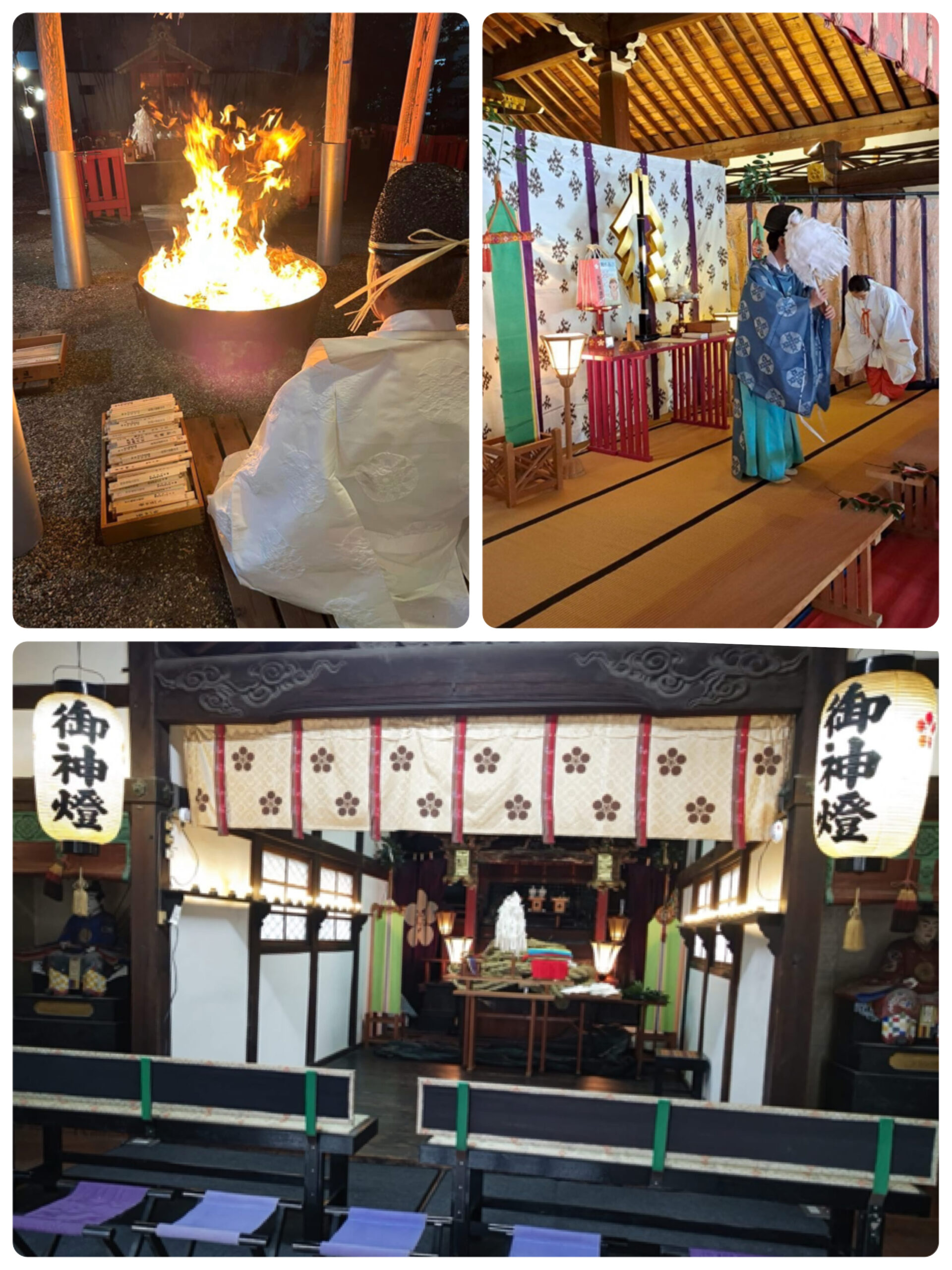
The main hall of Osaka Tenmangu Shrine is a beautiful building exuding a majestic atmosphere. Its meticulous decorations and historic appearance captivate visitors. Sugawara no Michizane is enshrined in the main hall, and many visitors come to pray for academic success and success in exams. When visiting, quietly join your hands and offer prayers of gratitude and hope.
In addition to the main hall, the grounds offer many other attractions, including a treasure museum displaying items related to Sugawara no Michizane and a beautiful garden. The garden, filled with flowers blooming throughout the seasons, soothes the souls of visitors. The grounds are also dotted with numerous stone monuments and monuments, allowing visitors to experience history and culture. The statue of Sugawara no Michizane is a particularly popular spot for worshippers. Take your time to stroll the grounds and fully appreciate the charm of Osaka Tenmangu Shrine.
History of Tenmangu Shrine
Osaka Tenmangu Shrine is a historic shrine founded in 949 during the Heian period. It was built to console the spirit of Sugawara no Michizane after his death in Dazaifu. Originally located slightly north of its current location, it was moved to its current location when Toyotomi Hideyoshi built Osaka Castle.
During the Edo period, the shrine attracted widespread worship as the god of learning, and many people came to worship. He was particularly revered by Osaka merchants and is known as the god of prosperity in business. Osaka Tenmangu Shrine is also famous as the venue for the Tenjin Festival, one of Japan’s three major festivals. Tenjin Festival is a traditional festival with over 1,000 years of history, held every July. Osaka Tenmangu Shrine, beloved by the people of Osaka throughout the ages, can be enjoyed even more by learning about its historical background.
Recommended Pilgrimage Route
Here are some recommended pilgrimage routes for visiting Osaka Tenmangu Shrine. First, enter through the main gate and purify your mind and body at the temizuya (water purification fountain). Then, proceed to the main hall and offer your respects to Sugawara no Michizane. At the main hall, you can pray for academic success, passing exams, or the safety of your family.
After praying at the main hall, we recommend taking a leisurely stroll around the grounds. The grounds are packed with attractions, including various pamphlets, stone monuments, and gardens. The Treasure Museum, which displays items related to Sugawara no Michizane, is a must-see. Inside, you can view writings by Sugawara no Michizane and precious materials used in the Tenjin Festival. If you have time, you should also visit the sub-shrines within the grounds. Each sub-shrine enshrines a different god and is said to bring various blessings. Finally, consider purchasing a charm or fortune slip as a memento of your visit. Following this route will allow you to fully experience the charms of Osaka Tenmangu Shrine.
Festivals and Events at Osaka Tenmangu Shrine
Tenjin Festival
The Tenjin Festival, one of Japan’s three major festivals, is held annually on July 24th and 25th at Osaka Tenmangu Shrine. With a history spanning over 1,000 years, it’s a summer tradition in Osaka, attracting many visitors. The festival’s highlight is the Funatogyo (Boat Procession) held on the 25th. Numerous boats travel back and forth along the Okawa River, creating a mystical spectacle.
During the Funatogyo, the Gohoren (Palace of the Gods), carrying the spirit of Sugawara no Michizane, travels down the river on a Gozabune (Royal Seat Boat). Variously decorated boats surround the boat, adding to the excitement of the festival. At night, votive fireworks are launched, illuminating the night sky with a brilliant display. The Tenjin Festival offers a different atmosphere during the day and at night, making it a fun festival that can be enjoyed all day long. During the festival, many stalls are set up, offering food and souvenirs. If you plan to attend the Tenjin Festival, be sure to check the schedule in advance to avoid crowds.
Other Annual Events
In addition to the Tenjin Festival, Osaka Tenmangu Shrine holds various festivals and events throughout the year. For example, in January, the “New Year’s Festival” is held to celebrate the New Year, attracting many worshippers for their first visit of the year. In February, the “Setsubun Festival” is held to pray for protection from evil and good fortune, and beans are thrown at the shrine. In spring, the “Cherry Blossom Festival” is held to coincide with the blooming of the cherry blossoms, and the shrine grounds are bustling with visitors.
In addition, in summer, the “Summer Festival” and “Bon Odori” are held, bringing local residents together to deepen their friendships. In autumn, the “Autumn Festival” is held to give thanks for a bountiful harvest, with portable shrines and danjiri floats paraded through the streets. In November, the “Shichi-Go-San” ceremony is held to celebrate children’s growth, attracting many families to worship. These festivals and events are a great opportunity to experience the history and culture of Osaka Tenmangu Shrine. You can enjoy Osaka Tenmangu Shrine even more by timing your visit accordingly.
Latest Event Information
You can find the latest information on Osaka Tenmangu Shrine events on its official website and official social media accounts. The official website features a schedule of annual events and detailed information on each event. Official social media accounts (such as Twitter and Facebook) also provide real-time event announcements and updates on the day.
In particular, information on traffic restrictions and crowding is important for large-scale events like the Tenjin Festival. This information is updated regularly on the official website and social media accounts, so we recommend checking it in advance. Some events may require advance reservations or require a participation fee. This information can also be found on the official website. When attending an event, be sure to check the latest information on the official website and social media accounts and be fully prepared.
Sightseeing Spots Near Osaka Tenmangu Shrine
Osaka Museum of History
The Osaka Museum of History is a museum where you can learn about Osaka’s history and culture. It is easily accessible from Osaka Tenmangu Shrine, about a 15-minute walk away. The museum showcases Osaka’s history from ancient times to the present through a variety of exhibits and videos. The life-size diorama of Naniwa Palace is a must-see.
The museum also regularly hosts special exhibitions showcasing Osaka’s history and culture on a variety of themes. These exhibitions are highly recommended, as you’ll always find something new to discover no matter how many times you visit. The museum also features a restaurant and museum shop, where you can enjoy meals and souvenirs. While visiting Osaka Tenmangu Shrine, be sure to also visit the Osaka Museum of History to experience Osaka’s history and culture.
Rent a Kimono and Stroll Around the City
There are many kimono rental shops around Osaka Tenmangu Shrine. Renting a kimono and strolling around the city is also recommended. Visiting Osaka Tenmangu Shrine in a kimono will give you a deeper sense of Japan’s traditional culture. Walking around the city in a kimono also makes for some great photo ops.
Kimono rental shops offer a wide variety of kimonos, obi belts, and accessories, so you can choose the one that best suits your taste. They also offer dressing and hair styling services, making it easy to transform into a kimono. Some kimono rental shops offer plans that include touring nearby tourist spots, such as Osaka Castle and Dotonbori. Strolling around Osaka in a kimono will be an unforgettable experience.
Tsuyutenjin Shrine (Ohatsu Tenjin)
Tsuyutenjin Shrine, commonly known as “Ohatsu Tenjin,” is famous for the Sonezaki Shinju (Love Suicides) incident. It’s easily accessible from Osaka Tenmangu Shrine, about a 20-minute walk away. Ohatsu Tenjin is known as a power spot for romantic success, and many couples visit.
Within the shrine grounds, you’ll find enshrined images of Ohatsu and Tokubei, as well as votive plaques offering prayers for romantic success. Ohatsu Tenjin is also said to grant blessings in love, making it popular with those hoping for a happy marriage. When you visit Ohatsu Tenjin, why not reflect on the tragic love story of Ohatsu and Tokubei and pray for success in love?
Summary: How to Make the Most of Your Visit to Osaka Tenmangu Shrine
Osaka Tenmangu Shrine is a shrine steeped in history and culture, dedicated to Sugawara no Michizane, the god of learning. In addition to worshiping at the shrine, you can also enjoy various festivals and events, including the Tenjin Festival. The surrounding area is also dotted with other fascinating tourist spots, including the Osaka Museum of History and Tsuyunoten Shrine.
To make the most of Osaka Tenmangu Shrine, it’s important to check ticket information in advance and stay up-to-date on the sights, festivals, and events. Check the official website and social media for the latest information, and plan your visit and sightseeing accordingly. You can also rent a kimono and enjoy strolling around the city or touring the surrounding attractions to further enhance your trip. When visiting Osaka Tenmangu Shrine, be sure to use this article as a reference and ensure a memorable and wonderful experience.